
UCUians strengthen disaster management training; conduct 2-day seminar-workshop
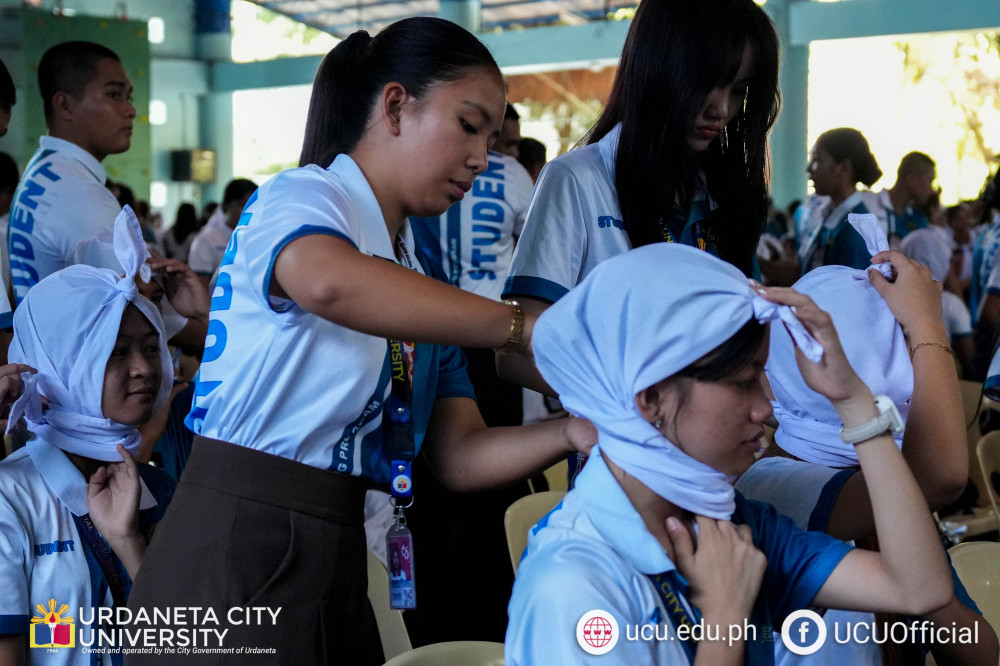
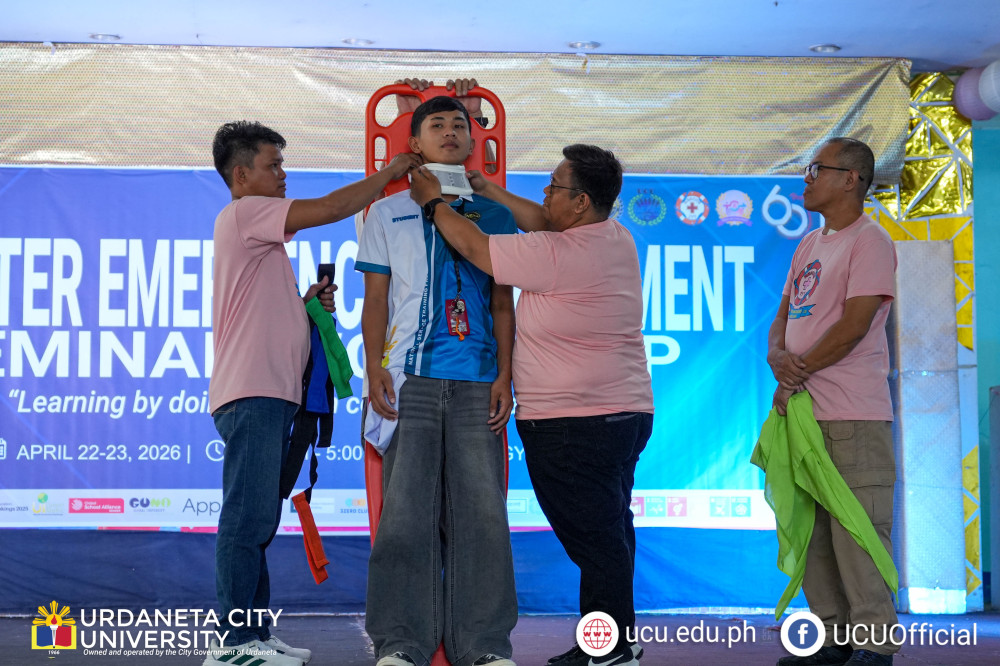
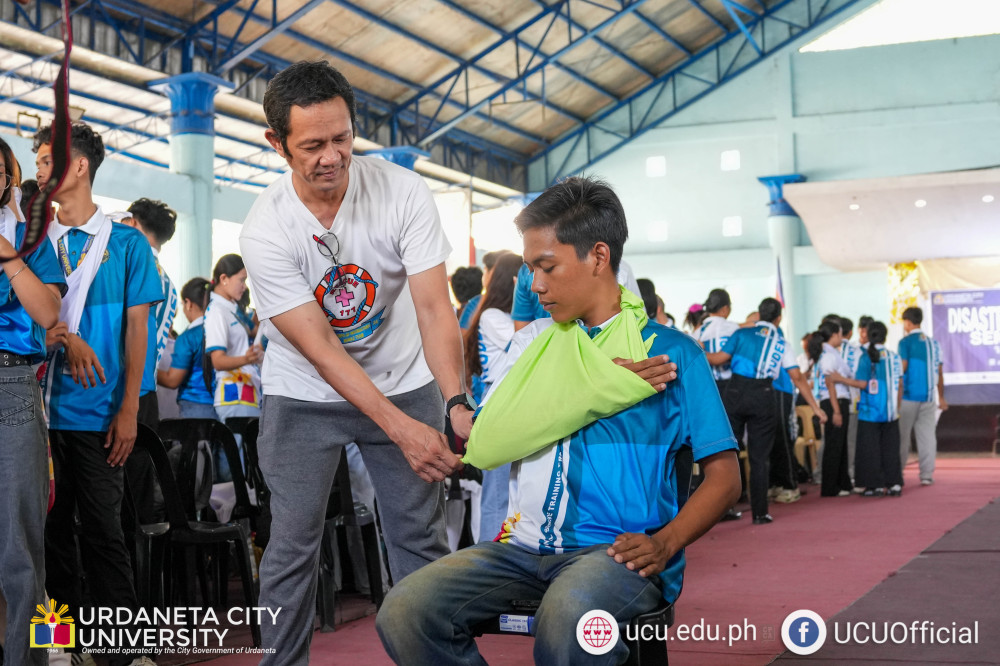
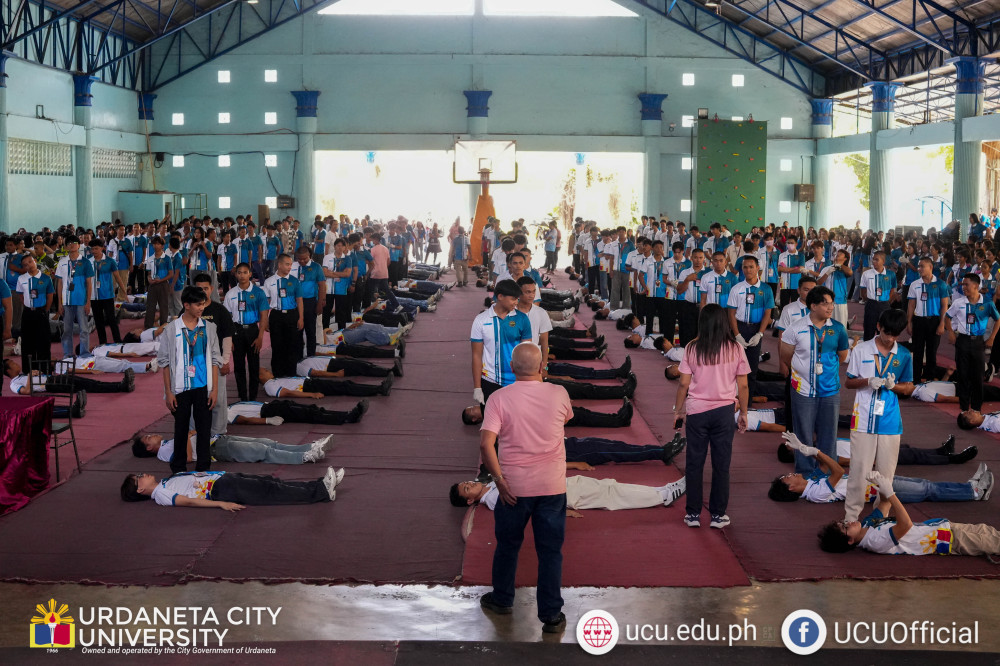
Urdaneta City University conducted a two-day seminar-workshop on Disaster Emergency Management for first-year NSTP students on April 22–23, 2026, at the University Gymnasium.
Organized by the National Service Training Program (NSTP) Department, the seminar aimed to equip participants with essential knowledge and skills in emergency management, disaster risk mitigation and prevention, and effective response to emergency situations. The University’s Disaster Risk Reduction and Management Office, along with the University Clinic, ensured the well-being of participants throughout the workshop.
Vice President for Academic Affairs Dr. Josephine Lambinicio and Vice President for Administrative Affairs Atty. Michael Henry Sevilleja, together with Dr. Sonny Soriano, Head of the Office of External Affairs and Linkages, showed their support for the event, which has been part of the university’s initiatives since 2023.
The training, facilitated by the Rescue 177 Training Center Corps of Instructors Mobile Team, featured a combination of lectures and hands-on activities led by Mr. Crisdel Falculan, Director, and Dr. Analiza Falculan, Administrative Director. Anchored on the theme “Learning by Doing through Continuous Training,” NSTP students underwent a three-phase training program. Phase I introduced the fundamental concepts and principles of Disaster Risk Reduction and Management (DRRM), including Republic Act 10121. Phase II focused on core skills such as bandaging, rescue techniques, surface incident management, and Basic Life Support (BLS) demonstrations. Phase III provided practical applications and simulation exercises, allowing students to apply their newly acquired knowledge in realistic emergency response scenarios.
Following the success of the seminar-workshop, Rescue 177 expressed its gratitude by donating a spine board stretcher and a hard foam cervical collar, which will help the university respond more effectively to emergencies within its vicinity.
Aligned with United Nations Sustainable Development Goal 4 (Quality Education), the seminar enhances students’ knowledge and skills in disaster preparedness. It also supports SDG 11 (Sustainable Cities and Communities) and SDG 13 (Climate Action) by promoting safety, resilience, and readiness for climate-related disasters. In addition, it contributes to SDG 3 (Good Health and Well-being) by teaching life-saving skills, SDG 5 (Gender Equality) by encouraging inclusive participation and equal access to training opportunities, and SDG 17 (Partnerships for the Goals) through strengthened multi-sectoral cooperation.
Through initiatives like this, Urdaneta City University continues to promote preparedness and resilience, equipping students with vital DRRM competencies to help build a safer and more disaster-ready community.